
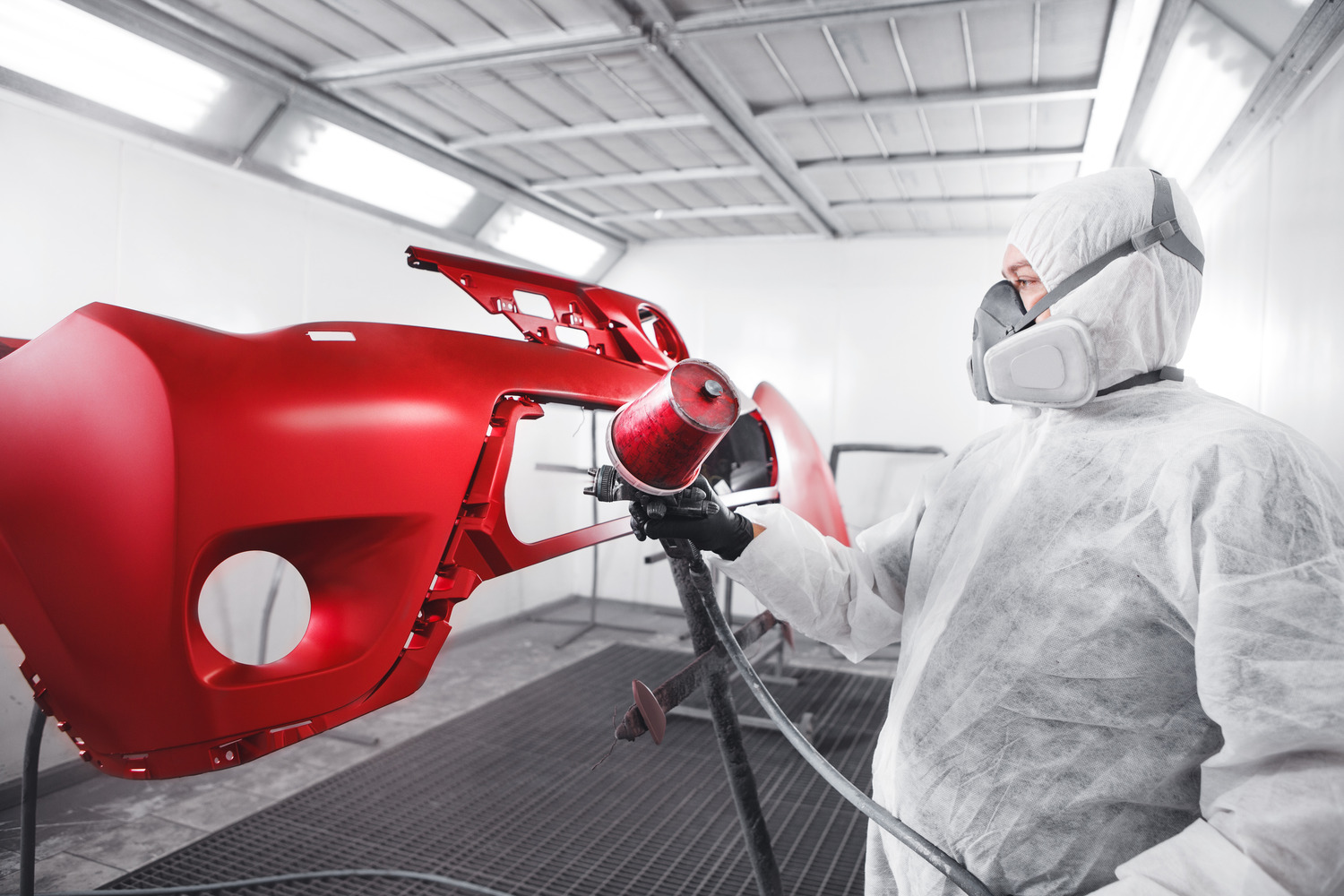
Deciding whether to paint your car yourself or trust a professional body shop comes down to your priorities: budget, skill, time, and the quality of finish you want. DIY painting can save money and give you full creative control, but it requires the right tools, techniques, and patience to avoid issues like chipped paint, paint wearing down from sun, or paint erosion from salt and snow. On the other hand, a professional body shop provides high-quality finishes, expert surface preparation, precise color matching, and warranties, ensuring your vehicle looks flawless and stays protected for years. Understanding the benefits and drawbacks of each approach helps you make the choice that fits your needs and keeps your car looking its best.
Genuine Collision Center is dedicated to serving drivers in Patchogue, Sayville, Blue Point, Bayport, and surrounding areas. From expert collision repair to maintenance, parts, and vehicle care advice, we are here to make every aspect of car ownership easier. Whether you’re considering a professional paint job or need guidance on protecting your vehicle’s finish, give us a call or visit us today to see how we can help.
Why Should You Consider How Your Car’s Paint is Maintained?
A car’s paint does more than make it look good. It acts as a shield against rust, sun, snow, and salt. Without proper care, the paint can wear down, leaving your vehicle at risk of damage. Small issues today can lead to bigger, costly problems later.
Common problems drivers face include:
- Cars with chipped paint from road debris or minor accidents
- Paint with sun damage that fades or cracks over time
- Paint fading from salt, especially in areas with winter road treatment
Choosing the right method to maintain or restore paint is key for long-term durability. A quality approach keeps your car safe, looks good, and protects its value. Whether tackling small touch-ups or full paint repairs, understanding these risks helps you make the best decision.
What Are the Benefits of Painting Your Car Yourself?
Painting your car yourself can be a smart choice for drivers who want to save money or enjoy hands-on work. It gives you control over the process and lets you address small problems before they grow.
Key benefits include:
- Cost Savings: You only pay for materials, avoiding high labor fees at a shop.
- Creative Control: Pick the exact color, finish, or custom design you want.
- Learning and Skill-Building: Gain experience with prep, painting, and finishing techniques.
DIY painting works well for cars with chipped paint or areas where paint is wearing down from sun. It’s also useful for touching up small spots affected by salt or other damage. With patience and care, you can restore your car’s look and protect it from further wear.
What Challenges Will You Face With a DIY Car Paint Job?
Painting a car yourself can seem simple, but it comes with real challenges. Without the right skills, mistakes can lead to uneven coats or drips. Small errors can also make paint erosion from snow or fading from salt damage worse over time.
Common challenges include:
- Skill and Technique Requirements: Proper prep, priming, spraying, and finishing take practice.
- Equipment Expenses: High-quality paint, spray guns, air compressors, and protective gear can be costly.
- Time Commitment: Preparing and painting a car can take days or even weeks.
- Safety and Environmental Concerns: Paint fumes require ventilation, and proper disposal of materials is important.
Even careful DIY work may not fully protect a car from sun, snow, or salt damage. Professional knowledge helps prevent problems and ensures a smoother, longer-lasting finish.
Why Might a Professional Body Shop Be the Better Choice?
Professional body shops offer expertise and tools that make a big difference in paint quality. They can handle complex repairs and prevent long-term damage from sun, snow, or salt. Cars with chipped paint or spots showing paint erosion from salt are best restored by trained technicians.
Key advantages include:
- High-Quality Finish: Smooth, durable coatings that last longer and resist fading.
- Efficiency: Jobs are completed faster, especially on large vehicles or complex finishes.
- Warranty and Insurance: Repairs are covered if issues arise, giving peace of mind.
- Expert Surface Preparation: Rust, dents, scratches, or old paint are removed properly.
- Accurate Color Matching: Restores factory finishes or creates seamless custom colors.
For drivers in Patchogue, Sayville, Blue Point, and Bayport, professional painting can protect vehicles from paint fading from salt or sun. This ensures your car stays in top condition while maintaining its value.
What Are the Potential Drawbacks of Using a Body Shop?
While body shops provide professional results, there are some drawbacks to consider. High costs and limited control can make DIY painting appealing for some drivers. Even professional work may vary, so choosing a reputable shop is important.
Common drawbacks include:
- Higher Costs: Labor and professional-grade materials raise the total price.
- Limited Creative Control: Customizations may be restricted compared to DIY options.
- Quality Variability: Not all shops maintain the same standards; research is key.
Even a high-end shop may not fix every small imperfection. Cars with chipped paint or paint with sun damage still require proper care and attention. Choosing the right shop ensures your vehicle gets the finish it deserves.
How Do You Decide Between DIY and a Professional Body Shop?
Choosing between DIY painting and a body shop depends on your goals, budget, and time. Some projects are better suited for hands-on work, while others need professional skills. Cars with paint wearing down from sun or paint fading from salt damage often benefit from expert care.
Key factors to consider include:
- Cost: DIY saves money, but body shops include labor and materials.
- Time: DIY can take days or weeks; shops often finish faster.
- Quality: Professionals usually provide smoother, long-lasting finishes.
- Tools & Safety: Body shops supply proper equipment and handle chemicals safely.
- Customization: DIY allows full creative control; shops may limit design options.
DIY painting makes sense for hobbyists, small touch-ups, or budget-focused projects. Professional body shops are ideal for new or high-value vehicles, complex finishes, or color matching for cars with significant paint erosion from sun, snow, or salt. For drivers in Patchogue, Sayville, Blue Point, and Bayport, weigh your goals, skills, and budget before deciding.
What Steps Can Protect Your Vehicle’s Paint After Painting?
Keeping your car’s paint in good shape is just as important as the paint job itself. Simple habits can prevent long-term damage from sun, snow, or salt. Cars with chipped paint or spots prone to wear need extra attention to stay protected.
Effective steps include:
- Regular Washing and Waxing: Removes salt and debris while reducing sun and snow damage.
- Touch-Ups for Chips and Scratches: Helps prevent paint wearing down from sun or paint erosion from salt.
- Use of Protective Coatings: Sealants and ceramic coatings extend the life of your finish.
For drivers in Patchogue, Bayport, and nearby areas, these steps are key on roads treated with salt during winter. Even small maintenance efforts can keep your car looking fresh and protect its value over time.
Frequently Asked Questions About DIY vs Professional Car Painting
How much does it cost to paint a car yourself vs at a body shop?
DIY painting typically costs a few hundred dollars for materials, while professional body shops can charge $1,000–$5,000 or more.
What's the price difference between DIY car painting and professional painting?
Professional painting usually costs several times more than DIY due to labor and premium materials.
What are the hidden costs of DIY car painting?
Hidden costs include equipment, protective gear, paint prep supplies, and potential mistakes that require redoing sections.
Is professional car painting worth the extra cost?
Yes, if you want a durable, high-quality finish that resists sun, snow, and salt damage.
How much does a full car paint job cost at a body shop?
A full paint job at a body shop ranges from $1,000 for basic jobs to $5,000 or more for high-quality or custom finishes.
What's the cheapest way to get my car painted?
DIY painting is the most cost-effective, but small touch-ups or partial panels can also reduce expenses.
How hard is it to paint a car yourself?
Painting a car yourself is challenging and requires patience, proper prep, and precise techniques.
What skills do I need to paint my own car?
You need skills in sanding, priming, spraying evenly, and finishing without drips or uneven coating.
Can a beginner successfully paint a car?
Beginners can attempt small touch-ups, but full car painting often results in mistakes without experience.
What are the most common mistakes when painting a car yourself?
Common mistakes include uneven coating, paint runs, poor surface prep, and improper drying or curing.
Will a DIY paint job look as good as a professional one?
Typically not; professional shops provide smoother, longer-lasting, and more consistent finishes.
How long does a DIY paint job last compared to professional?
DIY paint may last a few years if well-maintained, whereas professional jobs can last 5–10 years with proper care.
Can you tell the difference between DIY and professional paint jobs?
Yes, professional jobs usually have a smoother, more uniform finish with fewer imperfections.
What determines the quality of a car paint job?
Quality depends on surface prep, paint type, spraying technique, and finishing process.
How do I get a professional-looking finish when painting myself?
Use proper prep, high-quality materials, correct spraying technique, and patience for multiple coats and curing time.
Will a DIY paint job affect my car's resale value?
Yes, a poor DIY job can lower resale value, while professional work can maintain or enhance it.
Get Expert Help With Your Car’s Paint at Genuine Collision Center
Choosing the right way to keep your car’s paint in top shape is important for both look and value. At Genuine Collision Center, we help drivers in Patchogue, Sayville, Blue Point, and Bayport with expert paint care, repairs, and maintenance. Our team can guide you through every step, whether you’re thinking about DIY projects or professional services.
Learn how we compare to other shops with Genuine Collision Center. Find advice on handling repairs with accident recovery tips. Explore the differences in finishes with car paint knowledge. These resources can help you make the best choice for your vehicle and keep it looking its best.
Contact us today to schedule a consultation, get professional guidance, or ask questions about protecting your car’s finish. Our experts are ready to help you maintain your vehicle safely, efficiently, and beautifully.
Get Directions to Genuine Collision Center
Disclaimer: All information is provided for general informational and entertainment purposes only. While we strive for accuracy, we cannot guarantee that all content is complete, current, or error-free. Any reliance you place on such information is strictly at your own risk. This article may include opinions and is not endorsed by, or officially affiliated with, any vehicle manufacturer or brand. Always consult official sources – such as the vehicle’s owner’s manual, authorized dealerships, or certified professionals – for the most up-to-date and personalized information.