
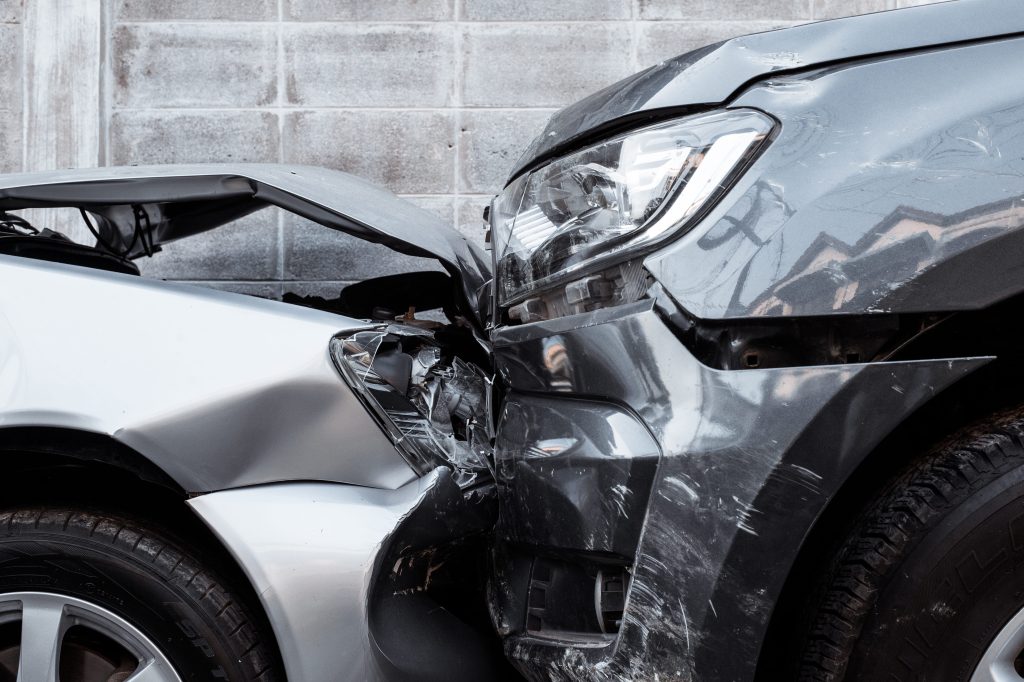
The Three C’s of auto repair, Complaint (or Condition), Cause, and Correction, form the foundation of how professional collision centers diagnose damage, explain repairs, and restore vehicles properly. This proven framework ensures that every concern is clearly identified, the root cause is accurately diagnosed, and the correct repair is performed to return cars with a dent or cars in an accident to a safe, pre-loss condition. When followed correctly, the three C’s of auto repair improve accuracy, transparency, and trust throughout the repair process.
Genuine Collision Center proudly serves Medford, New York, as a trusted auto body and collision repair center committed to doing repairs the right way. From collision repair and body work to service, parts, and more, our experienced team is here to help you every step of the way. Contact Genuine Collision Center today to schedule an inspection, ask questions, or get expert help with your automotive needs.
Three C’s of Auto Repair Explained: A Trusted Collision Repair Framework
The three C’s of auto repair help collision technicians understand vehicle damage and fix it right the first time. Built around Complaint or Condition, Cause, and Correction, this method ensures nothing is skipped or assumed. It provides structure for drivers dealing with dents, scratches, or accident damage.
Key parts of the three C’s include:
- Complaint/Condition: Identifying visible issues like a dented door or misaligned panel
- Cause: Finding the underlying reason for the damage, including hidden structural or component problems
- Correction: Performing the precise repairs needed to restore the vehicle safely and properly
Using this framework prevents cosmetic-only fixes and keeps technicians, advisors, and vehicle owners aligned throughout the repair process.
How the Three C’s of Auto Repair Work in Modern Collision Repair (2026)
Modern collision repair uses advanced tools, but the three C’s remain the foundation. Technicians combine inspections, measurements, and manufacturer procedures to ensure accurate repairs.
Here’s how the process works:
- Complaint/Condition: Documenting visible damage and test results
- Cause: Confirming structural, sensor, or component issues
- Correction: Applying manufacturer-approved repair steps
This structured process ensures modern safety systems and vehicle performance are restored correctly.
Complaint or Condition: Identifying Damage on Cars With a Dent or Accident History
The first step in any repair is understanding what’s wrong with the vehicle. Technicians document visible issues and any concerns the driver notices.
This step focuses on:
- Observing dents, scratches, or misaligned panels
- Recording noises, vibrations, or unusual behavior
- Noting past collision history or repeated issues
This ensures every visible concern is clearly captured before further inspection.
Cause: Diagnosing the Root of Collision Damage After an Accident
Once damage is observed, the next step is finding out why it happened. Technicians investigate beyond surface issues to uncover hidden problems.
Diagnosis looks at:
- Structural components that may have shifted or bent
- Broken brackets, absorbers, or mounting points
- Misaligned sensors or electronic components
Understanding the cause prevents incomplete repairs and protects vehicle safety.
Correction: Restoring Vehicles to Pre-Loss Condition at a Professional Auto Repair Center
After identifying the problem and its cause, technicians take action to restore the car to its original state.
Repairs involve:
- Realigning structural components and frames
- Replacing or repairing damaged panels with approved parts
- Calibrating safety systems and sensors
This step ensures the vehicle is safe, functional, and looks like new.
Understanding Auto Repair Estimates Using the Three C’s Method
Clear estimates help drivers understand exactly what repairs are needed and why. The three C’s make each line item meaningful.
Estimates show:
- Complaint/Condition: What issues were found during inspection
- Cause: Why the issues occurred, including hidden damage
- Correction: Steps, parts, and labor required for proper repair
This approach creates transparency and avoids surprises for vehicle owners.
Why the Three C’s Matter for Insurance Claims and Repair Documentation
Accurate documentation is key to smooth insurance claims and approvals. The three C’s provide a complete record.
Documentation ensures:
- All visible and hidden damage is accounted for
- Repairs are linked to causes and necessary corrections
- Insurers and repair teams communicate clearly
This protects both the vehicle owner and the quality of the repair.
How the Three C’s Improve Communication Between Customers and Technicians
A shared framework helps drivers understand what’s being repaired and why. It keeps everyone on the same page.
Communication focuses on:
- Explaining observed damage in plain language
- Detailing why the damage occurred
- Showing the exact repair steps being taken
This builds trust and reduces confusion throughout the repair process.
Real-World Examples of the Three C’s in Collision Repair Scenarios
Seeing how the three C’s work in practice illustrates their importance. Each step ensures complete, safe repairs.
Examples include:
- Parking lot dent: Repairing the panel and the bent support bracket
- Rear-end collision: Realigning frame and recalibrating sensors
- Side-impact damage: Adjusting door frame, hinges, and exterior panels
These examples highlight that visible damage often hides deeper issues.
How Proper Diagnosis Prevents Repeat Repairs and Missed Damage
A thorough diagnosis ensures repairs are complete the first time, preventing costly follow-ups.
Proper diagnosis includes:
- Evaluating all visible and hidden damage
- Confirming causes with measurements and tests
- Planning corrections that fully restore the vehicle
This protects vehicle safety, performance, and value.
What to Look for in a Collision Center That Follows the Three C’s
Choosing the right repair center ensures work is done correctly and thoroughly.
Look for centers that:
- Document every concern clearly
- Investigate causes before making repairs
- Perform detailed, manufacturer-approved corrections
These qualities ensure high-quality repairs and transparent communication.
How Genuine Collision Center Applies the Three C’s
At Genuine Collision Center, the three C’s guide every repair to ensure safety and quality.
Our approach includes:
- Recording all visible damage and customer concerns
- Identifying root causes with precise inspections and tools
- Performing corrections that restore the vehicle to pre-loss condition
This method gives drivers confidence that repairs are done right the first time.
Schedule a Collision Repair Inspection With a Trusted Auto Repair Center
Starting with a professional inspection is the first step toward complete, safe repairs.
During an inspection:
- Technicians evaluate visible damage and vehicle history
- Hidden issues are identified using modern tools and methods
- A clear repair plan is created based on the three C’s
Scheduling an inspection ensures your vehicle is restored safely and efficiently.
What are the three C's of auto repair?
The three C’s of auto repair are Complaint (or Condition), Cause, and Correction, which provide a structured approach to diagnosing and repairing vehicle damage.
What does "concern" mean in the three C's of auto repair?
Concern refers to the specific issue or symptom observed on the vehicle, such as a dent, misaligned panel, or unusual noise.
How do mechanics determine the "cause" in auto repair?
Mechanics determine the cause by inspecting the vehicle, using measurements, testing, and manufacturer guidelines to identify why the damage or issue occurred.
What is the "correction" step in the three C's of auto repair?
Correction is the step where the identified issue is repaired, replaced, or restored, ensuring the vehicle returns to a safe, pre-loss condition.
Why are the three C's important for auto repair customers?
They provide clarity, prevent overlooked damage, improve communication, and ensure repairs are accurate and complete.
How do the three C's help prevent misdiagnosis in auto repair?
By documenting the concern, identifying the root cause, and planning the proper correction, technicians avoid guessing and reduce the risk of missed or incomplete repairs.
Should I expect to see the three C's on my repair estimate?
Yes, a professional estimate often reflects the three C’s, showing the issue, cause, and corrective actions to give transparency about what repairs are needed.
How do the three C's improve communication between mechanics and customers?
The framework provides a shared language, enabling customers to understand the damage, its cause, and the repairs that will be performed.
Can the three C's help me avoid unnecessary auto repairs?
Yes, because each repair is tied to a documented concern and verified cause, reducing the chance of performing work that isn’t needed.
Do all auto repair shops follow the three C's method?
No, not all shops use this structured approach. Choosing a repair center that applies the three C’s ensures thorough, accurate, and reliable repairs.
Connect With Genuine Collision Center for Expert Repairs and Advice
If you’re in Medford, New York, and your vehicle has been in a collision or shows signs of damage, our team at Genuine Collision Center is here to help. From cars with a dent to vehicles in more serious accidents, we provide comprehensive inspections, accurate repairs, and expert guidance to get your vehicle back to its best condition.
Our auto repair center handles every step of the process with care and precision. We use proven repair methods to ensure safety, performance, and appearance, while also helping customers understand what’s happening with their vehicle. Whether you’re curious about minor cosmetic fixes or the complexities of structural damage, we make the process clear and straightforward.
For those who want to dive deeper into vehicle care, we offer helpful insights on related topics. Learn more about painting a car yourself versus relying on a professional body shop, explore our expertise in EV collision repair at Genuine Collision Center, or understand common issues like panel gaps causes and what leads to them. These resources provide practical guidance and tips for vehicle owners navigating repairs, maintenance, and upgrades.
Visit our site to explore our full range of services, schedule an inspection, or get answers to your questions. At Genuine Collision Center, we’re committed to delivering reliable repairs, transparent communication, and peace of mind for every customer. Contact us today to see how we can help with your vehicle needs.
Get Directions to Genuine Collision Center
Disclaimer: All information is provided for general informational and entertainment purposes only. While we strive for accuracy, we cannot guarantee that all content is complete, current, or error-free. Any reliance you place on such information is strictly at your own risk. This article may include opinions and is not endorsed by, or officially affiliated with, any vehicle manufacturer or brand. Always consult official sources – such as the vehicle’s owner’s manual, authorized dealerships, or certified professionals – for the most up-to-date and personalized information.